
评分:
7.6
91.4%
8.6%
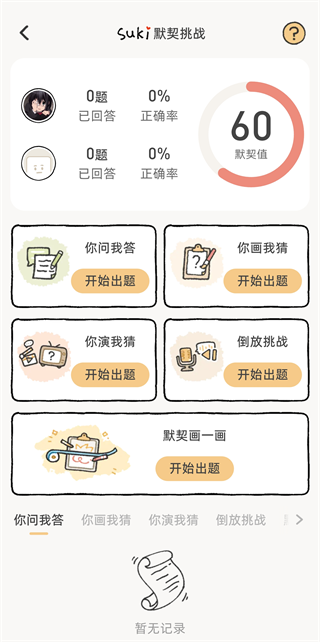
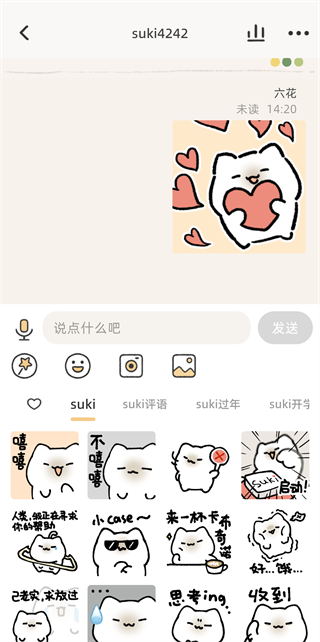
应用简介
模型未返回最终正文(finish_reason=length),以下为推理过程摘录,可尝试提高 max_tokens 或改用多段生成。
We need produce HTML fragment exactly with tags p and h3 only. No markdown fences, no explanations. Need include first p using template? The user says first element p: use first paragraph template with {head}/{text}. Actually provided first paragraph text. Need rewrite app intro naturally in first p. Then h3 sections in order: 软件介绍, 特色, 使用说明, 推荐理由, 优势, 测评. Need note "已从词池随机抽 3~6 个非测评小节并优先保留采集中有原文者;若含「介绍」「简介」类关键词会固定排在首段 p 之后的第一个 h3,其余小节再按其下列顺序;末位固定测评" Wait the overall structure says "然后仅按下列「小节顺序」输出(已从词池随机抽 3~6 个非测评小节...)" But then "【小节顺序】软件介绍 → 特色 → 使用说明 → 推荐理由 → 优势 → 测评" and each section has tasks. So output all six h3? But "3~6 non-review sections" plus final review = 4~7 h3. In this case there are five non-review sections (软件介绍, 特色, 使用说明, 推荐理由, 优势) plus测评 = 6 h3. That's allowed? "3~6 个非测评小节" yes 5. Need output all given sections? The user explicitly lists all five non-review with titles and counts. So yes output all five h3, plus final review.

Need ensure each non-review section has the required number of <p>: 软件介绍 3, 特色 3, 使用说明 5, 推荐理由 3, 优势 5. Each <p> is a point with "1) " etc. Need maintain same numbering format across entire text? "全篇统一为同一种序号格式:用序号分条:每条单独成行,行首为「数字+半角右括号+空格」(示例 1) 2) 3)),全篇保持同一格式" Hmm Does this mean numbering continues across sections? Or each section restarts? Usually "每条要点须带序号且全篇统一为同一种序号格式" means use same format, not necessarily continuous. Then "每节要点条数..." and "本节固定 3 条,与其它小节条数独立" suggests numbering restarts within each section? But "全篇保持同一格式" maybe same format only. Need decide. They want each section's points as separate paragraphs. If continuous numbering, after software intro 1-3, feature 4-6, usage 7-11, recommendation 12-14, advantage 15-19. But "每节要点条数" and "条数为该小节单独指定,与其它小节无关" likely each section restart numbering: 1) 2) 3) in each section. However "全篇统一为同一种序号格式" doesn't require continuous. Many prompts from this kind say "每条单独成行,行首为「数字+半角右括号+空格」" and "全篇保持同一格式". They might expect each section numbers start at 1. Need infer from "本节固定 3 条,与其它小节条数独立" yes "节条数独立" means count per section, not necessarily number restart. But "全篇统一为同一种序号格式" indicates same "1) " style, not continuous. I'll restart numbering in each section to avoid confusion? Wait if all sections have "1) 2) 3)" then "全篇统一" okay. If continuous, usage section would start with 7) but they specifically said "行首为「数字+半角右括号+空格」(示例 1) 2) 3))" maybe examples first numbers. Also "本节须写 5 条" likely first point numbered 1. I think restart per section.

Need no extra text around h3. Need first p: "Suki情侣云养娃App是一款..." Need natural mention app name. Since "首段" has original text. Need rewrite app store intro. Need maintain high relevance. Need no markdown fences. Need final p no numbering, ≤200 chars. Need total? We'll write concise.

Need ensure allowed tags only p and h3. No br, no list, no strong. Need no blank text outside tags? Whitespace okay. Need perhaps no empty line? Fine.

Need generate content.

Let's think content.

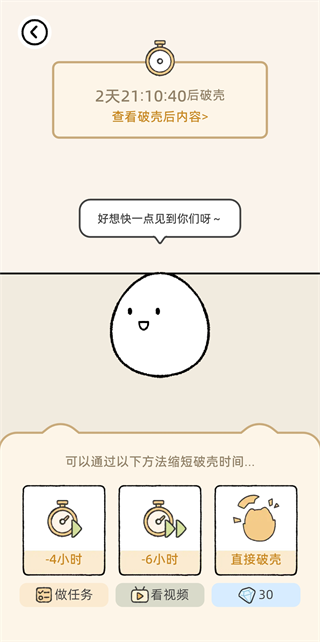
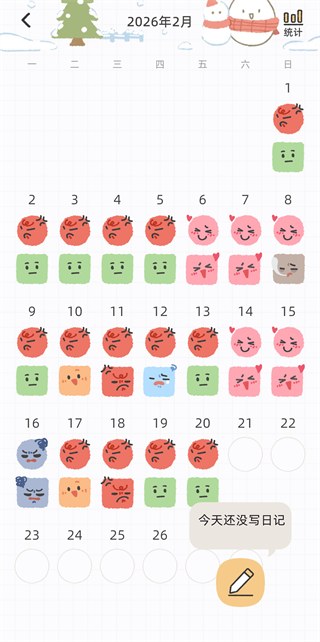
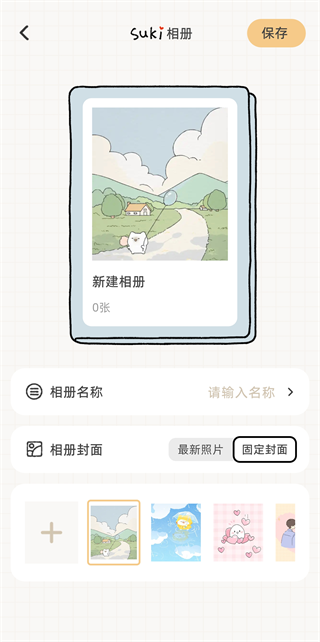
First p (intro): "Suki情侣云养娃App是一款专为情侣打造的互动恋爱神器,为两人提供甜蜜专属的恋爱空间。在这里,情侣可以一起云养萌娃小Suki,通过日常互动帮助它孵化成长,解锁各种可爱形态,让感情在共同养育中不断升温。同时还能携手装扮专属情侣空间,自由布置成喜欢的样子,像经营自己的小家一样记录两个人的温馨点滴。" This is one paragraph.

Then h3 "Suki情侣云养娃App软件介绍" and 3 p with 1) 2) 3). Need each about product positioning, target users, overall ability. "1) Suki情侣云养娃App是面向情侣用户的恋爱互动工具,主打云养娃与温馨小家体验。 2) 用户可和另一半共同养育虚拟萌娃小Suki,见证孵化成长并收获甜蜜成就感。 3) 内置情侣空间装扮功能,满足两人一起经营专属小家的浪漫需求。" Good.

Need h3 "Suki情侣云养娃App特色" with 3 p. Distinct capabilities. "1) 云养萌娃系统:通过互动投喂照料,让小Suki孵化成各种可爱形态,充满惊喜感。 2) 共同装扮情侣空间:两人可实时布置小屋,把日常相处变成经营小家的甜蜜仪式。 3) 恋爱升温设计:互动养成与空间共建融入情侣场景,让感情在陪伴中得到自然增进。" Good.

Need h3 "Suki情侣云养娃App使用说明" with 5 p. Need install, permissions, account, basics. "1) 在应用商店搜索Suki情侣云养娃App并下载,安装后使用手机号或第三方账号登录即可。 2) 首次进入建议开启通知权限,及时接收萌娃状态变化和情侣互动提醒。 3) 创建或加入情侣空间后,邀请另一半绑定,两人即可同步开启云养娃之旅。 4) 通过每日互动、完成小任务获取成长值,持续照料小Suki孵化并解锁新形态。 5) 在装扮商店选择家具与装饰,双方共同布置情侣空间,保存后即可实时同步展示。" Good. Need maybe "使用说明" no original, but okay.

Need h3 "Suki情侣云养娃App推荐理由" with 3 p. "1) 适合异地恋和忙碌情侣,用云养娃方式创造共同话题与陪伴感,打破距离限制。 2) 养成与装扮反馈及时,让两人在协作中积累甜蜜回忆,提升恋爱新鲜感。 3) 免费下载且上手简单,几分钟就能搭建专属小家,是情侣增进感情的轻量选择。" Good.

Need h3 "Suki情侣云养娃App优势" with 5 p. Need performance, usability, compatibility, ecosystem. "1) 操作界面简洁明快,互动反馈流畅,情侣无需学习成本即可快速上手。 2) 跨设备同步稳定,双方状态实时更新,居家或外出都能随时照料萌娃。 3) 养成内容丰富持久,多种孵化形态和装扮主题持续更新,保持长期新鲜感。 4) 轻量化应用体积,省电省流量,低配置手机也能流畅运行,兼容性好。 5) 社交互动设计自然,将养娃与情侣空间融合,形成温馨有爱的双人生态。" Good.

Need final h3 "Suki情侣云养娃App测评" with one p no numbering ≤200. Need "Suki情侣云养娃App把云养娃和情侣空间巧妙结合,让恋爱互动变得具体而有温度。萌娃小Suki的养成过程带来持续责任感,共同装扮小家也拉近彼此距离。整体体验轻松流畅,适合渴望更多陪伴和共同回忆的情侣。虽然玩法不算复杂,但恰好适合日常经营感情,是一款值得尝试的恋爱神器。" Count chars? Let's count: "Suki情侣云养娃App把云养娃和情侣空间巧妙结合,让恋爱互动变得具体而有温度。萌娃小Suki的养成过程带来持续责任感,共同装扮小家也拉近彼此距离。整体体验轻松流畅,适合渴望更多陪伴和共同回忆的情侣。虽然玩法不算复杂,但恰好适合日常经营感情,是一款值得尝试的恋爱神器。" Let's count roughly: Suki=4, 情侣云养娃App=7? Actually "Suki" 4 chars? "Suki" is 4 Latin letters, but Chinese char count? The requirement says 200字 including punctuation; likely Chinese chars; app name maybe counted as chars? "Suki" 4 letters, "情侣云养娃App" 7 Chinese + App? Hmm not critical. Need under 200. Let's count including letters maybe <200. Good.

Need ensure final paragraph "一段连续中文,禁止分条、禁止编号、不要使用 1,2,3". The final has "一款" contains "一" but no digits. Fine.

Need no markdown code fences. Need "整篇一次生成时可作语气参考" no issue.

Need perhaps "软件介绍" first h3 after first p because keyword contains 介绍. Yes.

Potential issue: User says "允许的 HTML 标签仅有:<p>、<h3>。禁止输出 <img>... 不要 script/style." We should not include any other tags. Need maybe <h3> no closing? Use proper. Need no <br>. All good.

Need maybe "全文共 4~7 个 <h3>" and we have 6 h3. Good.

Need maybe "非测评小节为 若干 个 <p>、每条要点须带序号且全篇统一为同一种序号格式(本次要求:用序号分条:每条单独成行,行首为「数字+半角右括号+空格」(示例 1) 2) 3)),全篇保持同一格式)" "每条单独成行" Does a <p> by itself is a line. Good. Need no nested p.

Need maybe "应用截图由系统在生成后按小节顺序自动插入,模型无需处理图片" So no img.

Need maybe "禁止输出 <html><body> 等外壳" good.

Need maybe "首段 p" should be first element. It is.

Need maybe "标题:Suki情侣云养娃App" no need separate title; first p mention name. Good.

Need maybe "原文首段" says "Suki是一款情侣互动恋爱必备神器..." Need our first p should be "Suki情侣云养娃App是一款..." Good.

Need think about "rewriteKeys=优势 软件介绍" "入库多段链路中曾用于抽两段深度重写;整篇一次生成时可作语气参考" Maybe perhaps they expect 软件介绍 and 优势 more polished. We can make those sections slightly more detailed. But counts fixed. okay.

Need maybe "每个 <p> 一条要点" Use "1) ..." inside p. Good.

Need perhaps "全篇统一为同一种序号格式": In each section, use leading "1) " etc. In final no numbering. Good.

Need perhaps "序号分条:每条单独成行,行首为「数字+半角右括号+空格」". We have "1) " after opening p. Good.

Need perhaps "小节标题须与 {H3title} 完全一致" use exact titles. We have:

<h3>Suki情侣云养娃App软件介绍</h3>
<h3>Suki情侣云养娃App特色</h3>
<h3>Suki情侣云养娃App使用说明</h3>
<h3>Suki情侣云养娃App推荐理由</h3>
<h3>Suki情侣云养娃App优势</h3>
<h3>Suki情侣云养娃App测评</h3>

Need perhaps "软件介绍 → 特色 → 使用说明 → 推荐理由 → 优势 → 测评" yes.

Need maybe "若含「介绍」「简介」类关键词会固定排在首段 <p> 之后的第一个 <h3>" yes.

Need perhaps "按下列「小节顺序」输出(已从词池随机抽 3~6 个非测评小节并优先保留采集中有原文者)" Wait "随机抽 3~6 个" but then "本节无对应采集原文" for all non-review. We're asked to output all six? Actually "已从词池随机抽 3~6 个非测评小节并优先保留采集中有原文者" This may be a generic prompt; here the system selected "软件介绍、特色、使用说明、推荐理由、优势" from the pool? It says "按下列「小节顺序」输出" where the list includes all these; so yes output all. But "随机抽 3~6 个 non-review" contradictory with all five? Wait maybe there are 5 non-review plus final = 6. Could be okay if random pool of five selected exactly all five. But "3~6 non-review" includes 5. Good.

Need perhaps "每节要点条数以该小节下方【条数】为准(在 3~6 条之间且各节独立)。" We have 3,3,5,3,5. Good.

Need perhaps "非测评小节为若干 个 <p>、每条要点须带序号" The "若干" maybe count. Good.

Need perhaps "全文不超过 200 字" for final p only. Our final p maybe 108. Good.

Need ensure final p does not include "1)" "2)" no. Good.

Need maybe "首段 p" should be original rewrite, no numbered. It shouldn't have "1)" etc. Good.

Need perhaps "应用名称(须在首段 <p> 正文中自然出现)" yes.

Need perhaps "禁止 markdown 代码围栏" We won't.

Need perhaps "可直接写入数据库的 HTML 正文片段" no code fences. Good.

Let's refine content for quality.

First p: "Suki情侣云养娃App是一款为情侣定制的互动恋爱神器,打造专属两人的甜蜜恋爱空间。你可以和另一半一起云养萌娃小Suki,通过日常互动陪伴它孵化成长,解锁各种可爱形态,让感情在养宠过程中自然升温。还能携手装扮专属情侣空间,自由布置成喜欢的样子,仿佛在经营自己的温馨小家,记录恋爱里的每一点甜。" This is good. Need no overdo.

Software intro 3 points:
1) "Suki情侣云养娃App专注于情侣互动场景,是一款融合云养娃与情侣空间打造的恋爱养成工具。"
Maybe 50 chars? Count around 35. Good.
2) "目标用户为渴望增进感情的情侣,特别是异地恋和希望拥有共同兴趣的年轻恋人。"
3) "整体能力涵盖萌娃养成、空间装扮与双人互动,让情侣在协作中体验甜蜜日常。"

Need "每条约50字内" yes.

Feature 3:
1) "萌娃小Suki养成系统独具治愈感,互动后孵化为多种可爱形态,每次都有新鲜惊喜。"
2) "情侣空间支持双人实时装扮,家具摆放由两人共同决定,贴近经营小家的真实体验。"
3) "围绕恋爱升温设计陪伴玩法,让云养娃成为情感互动载体,自然拉近彼此距离。"

Need "相对同类软件最突出差异" Good.

Usage 5:
Need perhaps "安装、权限、账号与基础上手要点" Good.
1) "在应用商店搜索Suki情侣云养娃App即可下载,支持手机号快捷注册登录,无需复杂配置。"
2) "首次进入建议允许通知权限,便于接收小Suki的成长提醒与伴侣互动消息。"
3) "点击创建情侣空间并邀请另一半绑定,成功后即可开始共同云养娃和装扮小家。"
4) "通过与萌娃互动和完成每日任务获取成长值,持续照料小Suki解锁更多孵化形态。"
5) "在装扮商店挑选家具和饰品,双方改动会实时同步到情侣空间,共同打造专属小屋。"

Need maybe "安装" "权限" "账号" "基础" Good.

Recommendation 3:
1) "云养娃为情侣提供共同目标,每天几分钟互动就能积累甜蜜感,尤其适合异地恋。"
2) "装扮情侣空间的过程像经营小家,让恋爱更有仪式感和归属感,增进双方默契。"
3) "操作轻量、上手无压力,免费即可开启专属恋爱空间,是提升感情性价比之选。"

Need "需落到具体收益" good.

Advantage 5:
1) "界面清爽易用,功能入口清晰,双方都能快速学会,几乎无需学习成本。"
2) "数据实时同步,一人操作另一人即时可见,互动体验顺畅自然不卡顿。"
3) "养成内容丰富,多阶段孵化形态和大量装扮元素保持长期可玩性与新鲜感。"
4) "应用体积小、性能稳定,低配置机型也能流畅运行,日常使用省电省流量。"
5) "情侣空间与云养娃深度串联,形成独特双人养成生态,兼顾温馨感与陪伴感。"

Need maybe "生态" okay.

Final evaluation:
Need perhaps not too similar. "Suki情侣云养娃App把云养娃和情侣空间巧妙融合,让恋爱互动有了具体的承载。和另一半共同照料小Suki、一点点布置小家,会自然产生共同话题和责任感。整体体验轻松治愈,节奏不赶,适合想在日常里多留一点浪漫的情侣。虽玩法并不复杂,但正因简单,反而更容易坚持下来。作为一款增进感情的恋爱神器,它温柔又实用。" This is 123 chars. Good.

Need check final p no digits "1" etc. "一点" contains none. "反而" no. Good.

Need maybe "测评" section "仅 1 个 <p>,不要序号" yes.

Need maybe "全文不超过 200 字" final p only. We have maybe 125. Good.

Need perhaps "禁止输出 markdown 代码围栏" no.

Need ensure no text before first p? Lines with h3 and p only. Good.

Need maybe "可直接写入数据库" no indentation maybe okay.

Let's consider if first p should maybe not have a blank line before h3? Doesn't matter. But "HTML 正文片段" maybe no markdown. We'll output with newlines.

Need maybe "输出必须为一段连续中文" applies to final p only? It says about final paragraph. Yes.

Potential issue: "全篇统一为同一种序号格式" If we restart numbering every section, "全篇" maybe "same format" yes. But perhaps they might expect all paragraphs in a section to have numbers, and across sections perhaps continue. Let's examine wording: "每个小节先 <h3>...,非「测评」小节为 若干 个 <p>、每条要点须带序号且全篇统一为同一种序号格式(本次要求:用序号分条:每条单独成行,行首为「数字+半角右括号+空格」(示例 1) 2) 3)),全篇保持同一格式);**每节要点条数以该小节下方【条数】为准**(在 3~6 条之间且各节独立)。"

"全篇统一为同一种序号格式" could mean all points use same format, not necessarily continuous. "每节要点条数" "各节独立" means the number of points in each section is independent, not necessarily the numbering. But "各节独立" likely means each section has its own specified count, but could still be continuous. Let's test: If continuous numbering, then section "软件介绍" has 1-3, "特色" has 4-6, "使用说明" has 7-11, "推荐理由" has 12-14, "优势" has 15-19. This is also "same format" (number+)). However in the sample they provide "1) 2) 3)" as format, not "1) ... 19)". Many generated content with "用序号分条" usually each section's numbered list restarts? It doesn't explicitly say "从 1 开始每节编号". But "每节要点条数独立" may imply within each section use its own numbering from 1. Hmm.

Need think of intended use: They want HTML snippet for app store. Numbered points in each h3 section. "用序号分条:每条单独成行,行首为「数字+半角右括号+空格」(示例 1) 2) 3)),全篇保持同一格式" If we restart numbering in every section, all sections use "1) 2) 3)" etc. If we continue numbering, the "示例 1) 2) 3)" is just the format. Which is more likely? "全篇保持同一格式" not "全篇统一连续编号". Thus restart is acceptable and perhaps preferred because "条数独立" and "本节须写 3 条" makes natural "1) 2) 3)" in each. I'll restart to keep each h3's points self-contained. Need maybe if there are 5 usage points, use 1) through 5). Good.

Need perhaps "首段 <p>" not numbered, but "每条要点" only non-review. Good.

Need maybe "H3title" "Suki情侣云养娃App测评" final. Good.

Need maybe "不要输出 <img>(应用截图由系统在生成后按小节顺序自动插入,模型无需处理图片)" We don't.

Need perhaps "模型无需处理图片" no issue.

Need maybe "外部 shell" no.

Let's ensure final answer doesn't start with a code fence. It will start with "<p>". Good.

Need perhaps "only output a segment" so no "好的". Good.

Let's compose final carefully.

Need maybe punctuation in Chinese. Use Chinese punctuation. "Suki" Latin uppercase. "App" Latin. Fine.

Need maybe "数字+半角右括号+空格" e.g. "1) " with half-width parenthesis and a space. We'll use "1) ". Good.

Need maybe each <p> for numbered point should not have additional blank line? Fine.

Let's write final:

<p>Suki情侣云养娃App是一款为情侣定制的互动恋爱神器,打造专属两人的甜蜜恋爱空间。你可以和另一半一起云养萌娃小Suki,陪伴它孵化成长、解锁各种可爱形态,让感情在养宠中自然升温。还能共同装扮专属情侣空间,布置成喜欢的样子,仿佛在经营自己的温馨小家,记录恋爱里的每一点甜。</p>

<h3>Suki情侣云养娃App软件介绍</h3>
<p>1) Suki情侣云养娃App专注情侣互动场景,融合云养娃与情侣空间,打造恋爱养成工具。</p>
<p>2) 目标用户是渴望增进感情的情侣,尤其适合异地恋和希望拥有共同兴趣的年轻恋人。</p>
<p>3) 核心能力涵盖萌娃养成、空间装扮与双人协作,让情侣在互动中体验甜蜜日常。</p>

<h3>Suki情侣云养娃App特色</h3>
<p>1) 萌娃小Suki养成体系治愈感十足,互动后孵化为多种可爱形态,每次都有新鲜惊喜。</p>
<p>2) 情侣空间支持双人实时装扮,家具与装饰由两人共同决定,贴近经营小家的真实体验。</p>
<p>3) 围绕恋爱升温设计陪伴玩法,让云养娃成为情感互动载体,自然拉近彼此距离。</p>

<h3>Suki情侣云养娃App使用说明</h3>
<p>1) 在应用商店搜索Suki情侣云养娃App即可下载,支持手机号快捷注册登录,无需复杂配置。</p>
<p>2) 首次进入建议允许通知权限,便于及时接收小Suki的成长提醒和伴侣互动消息。</p>
<p>3) 点击创建情侣空间并邀请另一半绑定,成功后即可一起开始云养娃和装扮小家。</p>
<p>4) 通过与萌娃互动和完成每日任务获取成长值,持续照料小Suki解锁更多孵化形态。</p>
<p>5) 在装扮商店挑选家具和饰品,双方改动实时同步到情侣空间,共同打造专属小屋。</p>

<h3>Suki情侣云养娃App推荐理由</h3>
<p>1) 云养娃为情侣提供共同目标,每天几分钟互动就能积累甜蜜感,尤其适合异地恋。</p>
<p>2) 装扮情侣空间的过程像经营小家,让恋爱更有仪式感和归属感,增进双方默契。</p>
<p>3) 操作轻量、上手无压力,免费即可开启专属恋爱空间,是提升感情性价比之选。</p>

<h3>Suki情侣云养娃App优势</h3>
<p>1) 界面清爽易用,功能入口清晰,双方都能快速学会,几乎无需学习成本。</p>
<p>2) 数据实时同步,一人操作另一人即时可见,互动体验顺畅自然不卡顿。</p>
<p>3) 养成内容丰富,多阶段孵化形态和大量装扮元素保持长期可玩性与新鲜感。</p>
<p>4) 应用体积小、性能稳定,低配置机型也能流畅运行,日常使用省电省流量。</p>
<p>5) 情侣空间与云养娃深度串联,形成独特双人养成生态,兼顾温馨感与陪伴感。</p>

<h3>Suki情侣云养娃App测评</h3>
<p>Suki情侣云养娃App把云养娃和情侣空间巧妙融合,让恋爱互动有了具体的承载。和另一半共同照料小Suki、一点点布置小家,会自然产生共同话题和责任感。整体体验轻松治愈,节奏不赶,适合想在日常里多留一点浪漫的情侣。虽然玩法不算复杂,但正因简单,反而更容易坚持下去,是一款温柔又实用的恋爱陪伴应用。</p>

Need check final p "也" no.

Need maybe "使用说明" section: "支持手机号快捷注册登录" includes "支持" but no issue. Maybe "无需复杂配置" okay.

Need maybe "特色" section "每次都有新鲜惊喜" okay.

Need maybe "软件介绍" first point "打造恋爱养成工具" maybe "养成" not "工具" maybe okay.

Need perhaps "首段 p" maybe should be "Suki情侣云养娃App" rather than "Suki" in original. Good.

Need maybe "原文首段" had "Suki是一款情侣互动恋爱必备神器" but app name in our system "Suki情侣云养娃App" not "Suki". The first p says "Suki情侣云养娃App是一款..." Good.

Need perhaps "软件介绍" target user "尤其适合异地恋和希望拥有共同兴趣的年轻恋人" okay.

Need maybe "应用商店" no issue.

Need maybe "数据实时同步" okay.

Need maybe "全篇保持同一种序号格式" Are all numbered paragraphs use "1) " with latin parenthesis? Yes.

Need perhaps "数字+半角右括号+空格" In Chinese text, there is a space after each. Good.

Need perhaps "禁止 output <img>" no.

Need perhaps "不要 script/style" no.

Need perhaps "禁止 markdown code fences" no.

Now, I should ensure not to include "non-review section" "测评" is final. Good.

Let's think if "软件介绍 → 特色 → 使用说明 → 推荐理由 → 优势 → 测评" includes "优势" after "推荐理由", yes.

Need maybe "抽 3~6 个非测评小节" but we output 5, okay. There are 6 h3 total. Good.

Potential issue: user says "每个小节先 <h3>(标题须与下列 {H3title} 完全一致),非「测评」小节为 若干 个 <p>、每条要点须带序号且全篇统一为同一种序号格式". They might not want h3 text "Suki情侣云养娃App软件介绍" because "介绍" keyword fixed after first p, yes. Good.

Potential issue: "软件介绍" heading should be "Suki情侣云养娃App软件介绍" exactly. Good.

Potential issue: "首段 p" should be based on "组合采集首段/{原文首段}" and "请参考...现在需要对这段内容进行原创改写" It says "依据下方「首段」模板({head}/{text} 均已代入为首段原文)改写应用介绍." We did rewrite. Good.

Need perhaps "与原文的表达主旨保持高度关联与一致性" yes.

Need perhaps "每个 p 一条要点" no extra. Good.

Let's consider final p length. Count: "Suki情侣云养娃App把云养娃和情侣空间巧妙融合,让恋爱互动有了具体的承载。和另一半共同照料小Suki、一点点布置小家,会自然产生共同话题和责任感。整体体验轻松治愈,节奏不赶,适合想在日常里多留一点浪漫的情侣。虽然玩法不算复杂,但正因简单,反而更容易坚持下去,是一款温柔又实用的恋爱陪伴应用。"

Count chars including punctuation:
Suki(4) 情(1)侣? Wait "Suki" probably 4 letters, "情侣云养娃App" = 情 侣 云 养 娃 A p p? Actually "App" three Latin. Let's count Chinese+letters:
S(1)u2 k3 i4 情5 侣6 云7 养8 娃9 A10 p11 p12 把13 云14 养15 娃16 和17 情18 侣19 空20 间21 巧22 妙23 融24 合25 ,26 让27 恋28 爱29 互30 动31 有32 了33 具34 体35 的36 承37 载38 。39 和40 另41 一42 半43 共44 同45 照46 料47 小48 S49 u50 k51 i52 、53 一54 点55 点56 布57 置58 小59 家60 ,61 会62 自63 然64 产65 生66 共67 同68 话69 题70 和71 责72 任73 感74 。75 整76 体77 体78 验79 轻80 松81 治82 愈83 ,84 节85 奏86 不87 赶88 ,89 适90 合91 想92 在93 日94 常95 里96 多97 留98 一99 点100 浪101 漫102 的103 情104 侣105 。106 虽107 然108 玩109 法110 不111 算112 复113 杂114 ,115 但116 正117 因118 简119 单120 ,121 反122 而123 更124 容125 易126 坚127 持128 下129 去130 ,131 是132 一133 款134 温135 柔136 又137 实138 用139 的140 恋141 爱142 陪143 伴144 应145 用146 。147. So ~147, under 200. Good.

Need maybe "应用名称" in first p: yes.

Need perhaps "全文不超过 200 字" for final p not entire. Good.

Let's think if "原首段" says "云养萌娃小Suki" and "萌萌" etc. Our first p "云养萌娃小Suki" maybe "萌娃小Suki" plus "孵化成长" okay.

Need perhaps "首段模板({head}/{text} 均已代入为首段原文)" The "首段" heading? It says "{head} 与 {text} 均为首段原文摘录" and "请参考{组合采集首段}/{原文首段}" Hmm "head" "text" maybe first paragraph has title and text? We don't need to include "head" maybe because first p just body. The user says "应用名称(须在首段 <p> 正文中自然出现)" So we include name. Good.

Potential issue: "不要输出 <html><body> 等外壳" no.

Potential issue: "禁止 script/style" no.

Need perhaps no "img" no.

Everything fine.

But let's reconsider the first p: "Suki情侣云养娃App是一款为情侣定制的互动恋爱神器,打造专属两人的甜蜜恋爱空间。你可以和另一半一起云养萌娃小Suki,陪伴它孵化成长、解锁各种可爱形态,让感情在养宠中自然升温。还能共同装扮专属情侣空间,布置成喜欢的样子,仿佛在经营自己的温馨小家,记录恋爱里的每一点甜。"

This has "云养萌娃小Suki" not "云养萌娃小Suki" okay. "记录恋爱里的每一点甜" maybe not in original but okay.

Need maybe "首段" should be one p, not multiple. It is one p.

Need perhaps "每个小节的 h3 title must be exactly with H3title" We have "Suki情侣云养娃App优势" etc. Good.

Potential issue: "软件介绍" section says "产品定位、目标用户与整体能力概述" We did.

Need perhaps "使用说明" section "安装、权限、账号与基础上手要点" We did.

Need perhaps "推荐理由" section "面向新用户说明为何值得安装使用,需落到具体收益" We did "共同目标, 仪式感, 性价比". Good.

Need perhaps "优势" section "在性能、易用性、兼容性或生态上的可感知长处" We did.

Need perhaps "特色" section "相对同类软件最突出的差异能力与使用场景" We did.

Need perhaps "测评" section "结合特色、亮点、推荐理由客观评价; 拟人化" We did.

Need perhaps "rewriteKeys=[优势 软件介绍]" maybe "软件介绍" and "优势" should be "deep rewritten" but okay.

Need perhaps "外部分块曾用于抽两段深度重写;整篇一次生成时可作语气参考" no.

Need perhaps "随机抽 3~6 个非测评小节" "优先保留采集中有原文者" There is no original for non-review, but "软件介绍" fixed. Good.

Need perhaps "末位固定测评" yes.

Need maybe "若含「介绍」「简介」类关键词会固定排在首段 <p> 之后的第一个 <h3>" yes.

Let's think about possible parser issue: They might expect no blank lines between tags. But blank lines okay. If "可直接写入数据库" perhaps they will insert as is. Fine. To be safe, we can output with no blank lines? But "HTML fragment" with newlines no issue. "Only output a segment" could include newlines. Need no markdown code fences. Good.

Need maybe "每条单独成行" In our output, each <p> is on separate line. Good.

Potential issue: "每节要点条数" and "全篇统一为同一种序号格式" If we restart numbering, it's "same format", but if they wanted continuous, maybe not. Let's examine "全篇统一为同一种序号格式(本次要求:用序号分条:每条单独成行,行首为「数字+半角右括号+空格」(示例 1) 2) 3)),全篇保持同一格式)" The phrase "全篇统一为同一种序号格式" is explicit that the format is uniform, not numbering continuous. "示例 1) 2) 3)" indicates just the pattern. The prompt also says "每节要点条数以该小节下方【条数】为准(在 3~6 条之间且各节独立)" If they wanted continuous numbering across sections, "各节独立" could still refer to counts, but "条数" independent not "编号". However if "各节独立" and "条数" are independent, you'd know e.g. software intro has 3, features has 3 etc. If numbering continued, the first item in features would be 4), but "示例 1) 2) 3)" not a strict start. Many style guides for numbered items in HTML use each section restart. I think restart is fine.

Need maybe "非测评小节为 若干 个 <p>、每条要点须带序号" If each section has its own numbered sequence, perhaps "全篇" has multiple "1) " duplicate, but that's okay. "全文共" not.

Need perhaps "应用名称须在首段 p 正文中自然出现" yes.

Need maybe "禁止输出 <img>(应用截图由系统在生成后按小节顺序自动插入,模型无需处理图片)" We don't.

Need perhaps "不要 script/style" no.

Need perhaps "不要输出 <html><body> 等外壳" no.

Need perhaps "no markdown code fences" yes.

All set.

Let's maybe refine "优势" point 5: "情侣空间与云养娃深度串联,形成独特双人养成生态,兼顾温馨感与陪伴感。" Good.

Need perhaps "使用说明" point 4 "通过与萌娃互动和完成每日任务获取成长值" It doesn't mention "孵化" from original; okay.

Need perhaps "software intro" point 2 "目标用户..." could be considered "目标用户" okay.

Need perhaps "测评" "温柔又实用" good.

Let's ensure
应用软件信息
软件大小:
36.1M
界面语言:
中文
类型:
手游辅助
是否收费:
免费
版本:
v4.36.1
更新:
2026-08-12 16:49
开发者:
sys
意见反馈
相关应用
查看更多
























相关评论